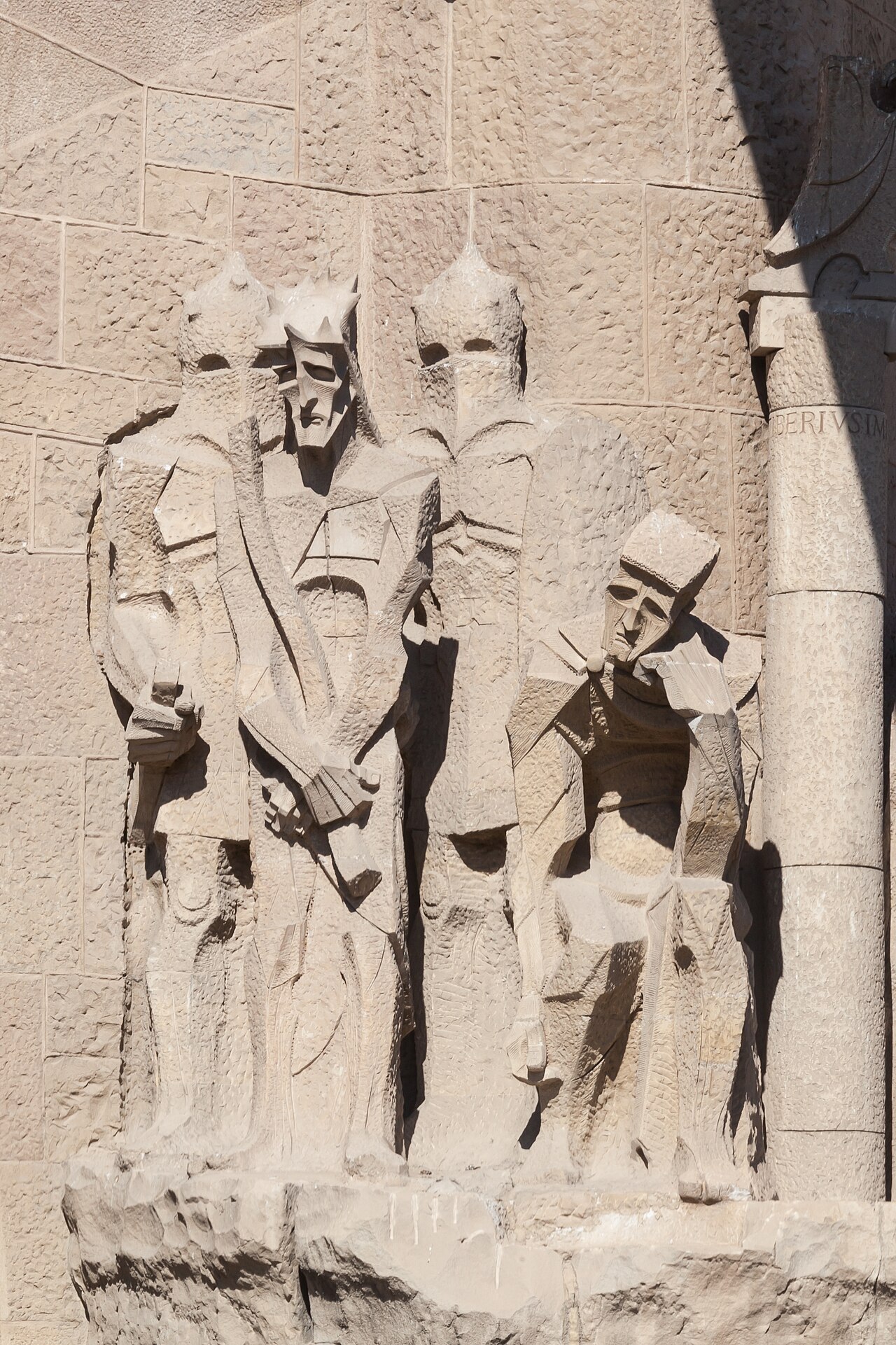
Ornament at Sagrada Família and across Gaudí’s Barcelona is rarely freeloading decoration. Leaves, lizards, fruit, and tesserae behave like footnotes to a larger nature theology — small texts that explain why columns branch and vaults bloom. This essay practices close looking: mosaic sparkle, carved flora, animal presence, and the handmade irregularity that keeps industrial age stone feeling alive. Folio · not ticket sale.
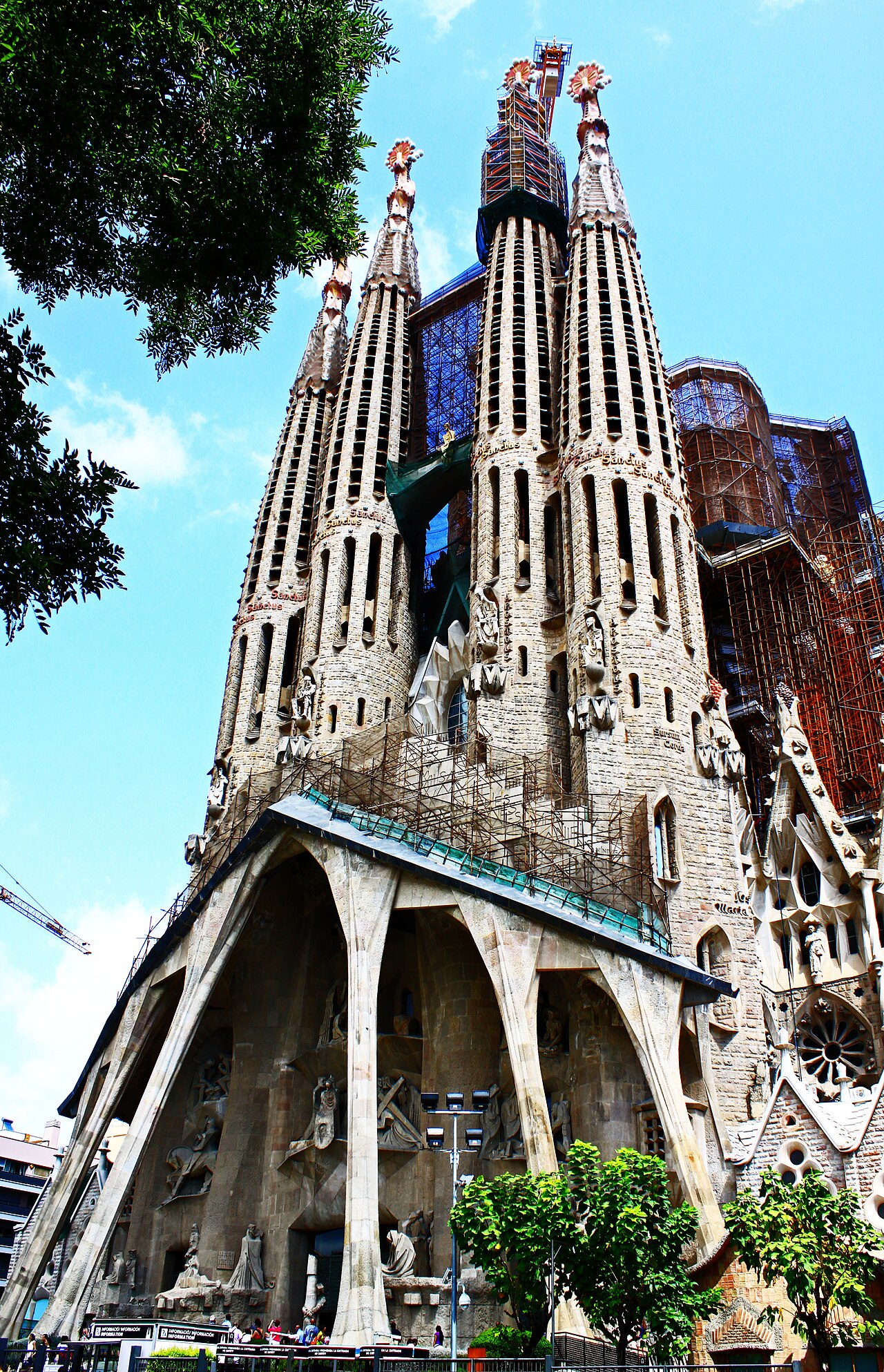
Why detail is not trivial
Monumental architecture invites distant awe; detail invites intimacy. Without close looking, forests of columns become abstract and liturgical geography floats. Ornament reattaches wonder to scale the hand can imagine. A carved leaf teaches that the stone forest is botanical by intention. A mosaic shard teaches that colour is a material fact, not a Photoshop afterthought.
Gaudí’s details often resist mechanical sameness. Slight irregularities read as life. In Mediterranean light, those irregularities glitter differently every hour, so ornament is time-based as well as spatial.
Flora, fauna, and symbolic density
Nature motifs can be delightful and doctrinal at once — creation celebrated, seasons marked, creatures as companions to sacred story. The folio resists turning every lizard into a forced allegory, yet refuses to call them mere cute. They inhabit a system where nature is teacher. Looking closely keeps that system legible.
Distance first, then nearness: skyline to vault to column to ornament. That order mirrors how a reader might approach a long poem — stanza, line, word. Detail is the word level.
Mosaic as urban weather instrument
Broken ceramic and glass catch sun, then quiet under cloud. Outside Gaudí works make this habit civic; related instincts appear in basilica colour climates. Tesserae are tiny mirrors teaching optics. Standing near a mosaic surface, you watch the city weather rewrite a wall in minutes.
- Leaf and stem motifs — botanical rhyme with structural trees.
- Creature accents — life inhabiting sacred and civic stone.
- Tessera sparkle — colour as weather-responsive craft.
- Hand variation — irregularity as antidote to machine chill.
Spend five minutes on a single ornamental cluster without photographing it. Name materials aloud in a whisper if you must — stone, ceramic, metal. Memory without the camera still belongs to editorial looking.
Ethics of close looking
Closeness risks touch. Barriers and rules exist for conservation. The eye can travel farther than the hand. Respect is craft’s ally. Ornament survives centuries when visitors choose patience over abrasion. A folio models that patience.
Crowds complicate nearness. Wait for gaps; look between shoulders; accept that some details remain half-seen. Incomplete seeing is honest — like unfinished towers, like crypt half-light.
Ornament knitting the whole folio
Nature detail ties skyline metaphors to tactile fact, vaults of colour to ceramic ancestry, columns of branching to leaves that confess the thesis, apse reverence to creation’s busy smallness, crypt quiet to handmade humility, construction continuity to craft still producing shards and stones, and Gaudí’s city dialect to its sparkliest vocabulary. The folio’s eight essays are one organism; ornament is its skin.
We end where we began: a stack of notes, not a counter. Barcelona keeps offering sun to mosaic and shadow to carving. Return, look closer, write your own margin comments. Catalonia’s capital rewards the reader who treats detail as scripture of the eye.
Material vocabulary under changing light.
Stone carved into leaves behaves differently at nine in the morning than at four in the afternoon. Raking light elevates relief; flat noon light can mute it until colour elsewhere steals attention. Mosaic reverse that pattern sometimes — high sun can maximise sparkle while carving waits for slant. Visiting the same ornamental cluster twice in one day is a small laboratory. Record which materials win which hours.
Material vocabulary also includes absence: gaps where ornament is reserved, delayed, or implied by construction wraps. Living architecture means some details are future tense. Looking at a blank awaiting decoration can be oddly moving — potential recognised as part of the essay. Do not treat incompleteness as failure of tourism. Treat it as honesty of craft timelines.
When you leave the close scale, zoom out deliberately. Recall a vault colour, a column branch, an apse axis, a crypt hush, a skyline piercing, a crane. Ornament was the microscope; the folio is the museum of linked magnifications. Sagrad Family Folio ends each essay the same way commerce cannot: by thanking your attention and asking nothing at a counter. Keep looking in Barcelona. The small things keep speaking.
Iconography at small scale can intersect biblical narrative and local nature at once — a double coding typical of architecture that wants to speak to pilgrims and neighbours. You need not decode every reference to benefit. Noticing density is enough: how much storytelling hides in a capital, how a corner that could have stayed blank instead hosts a creature. Density signals care. Care signals values.
Conservation science silently partners with ornament. Pollution, touch, and weather threaten crisp edges; cleaning regimes and barriers respond. When you see scaffolding on a façade not only for new construction but for care, include that in your living-architecture mindset. Ornament is vulnerable; vulnerability is part of truth.
End by choosing a favourite detail and describing it to someone who has never visited. If you can make them see a leaf’s serration or a tessera’s irregular glitter without a photo, your looking worked. That transfer of vision is the folio’s quiet success metric — better than any conversion rate a commercial site might track. We track attention. Attention, here, is the whole harvest.